
Significance of Chhath Puja: Why It’s Bihar’s Grandest Festival
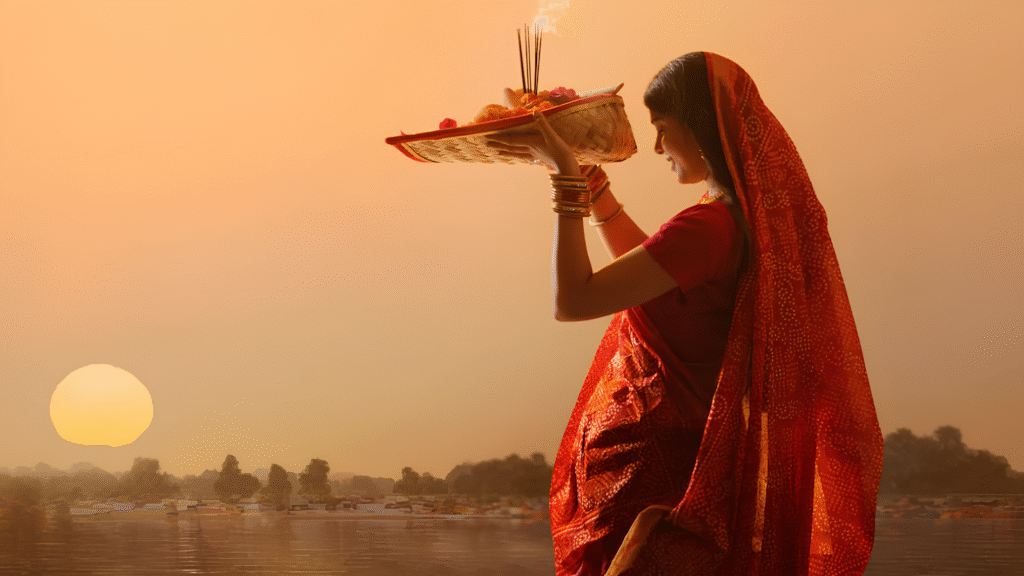
If you’ve never heard of Chhath Puja, picture this: tens of thousands of people standing barefoot at riverbanks before sunrise and sunset, offering folded hands and simple prasad (offerings) to the Sun — no idols, no fireworks, no loud processions — just silence, songs and devotion.
That scene captures the heart of Chhath, a four-day festival of gratitude, discipline and renewal, practiced most widely in Bihar and among Bihari communities across India and abroad.
Below is a clear, step-by-step explanation of what Chhath is, why it matters, and how someone unfamiliar with it can understand and respectfully experience it.
What is Chhath Puja? (Short answer)
Chhath Puja is a Hindu festival dedicated primarily to Surya Dev (the Sun God) and Chhathi Maiya (a mother goddess associated with well-being and protection).
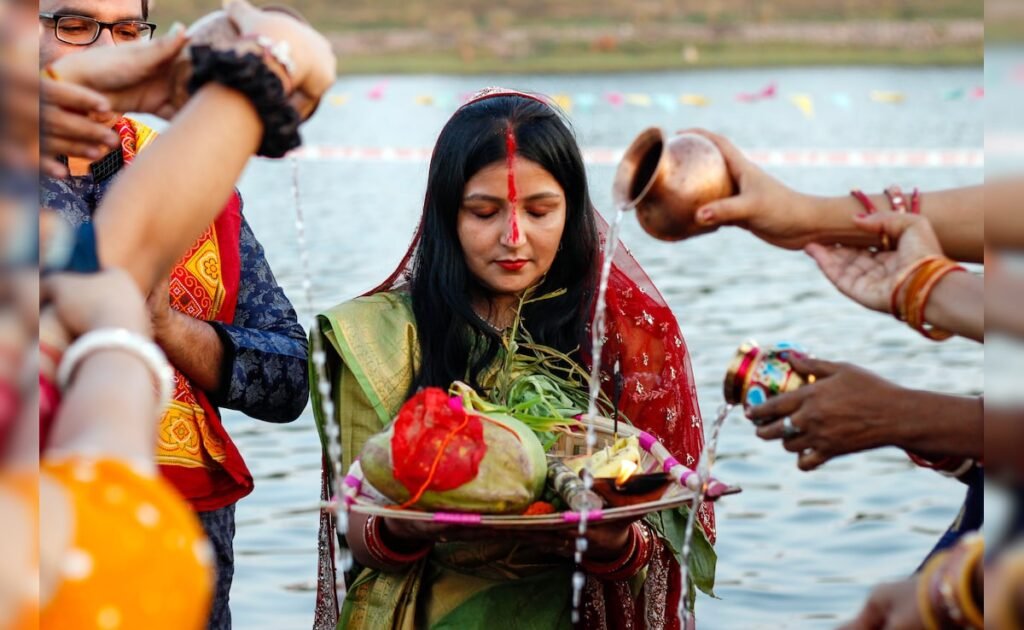
Devotees pray for health, prosperity and the welfare of their family. The festival centers on offering “arghya” (water offered in cupped hands or on a plate) to the setting and rising Sun beside clean water bodies.
Why Chhath feels different from other festivals
- Nature-centered: Worship happens outdoors — on ghats, riverbanks, ponds — connecting people directly with sun and water.
- No idols, no loud rituals: Simplicity is the rule; there are no temple idols, and the focus is on purity and restraint.
- Strict discipline: Many vratis (devotees who observe the ritual) fast strictly and follow rules about food, behavior and cleanliness.
- Community spirit: Neighbors and entire villages come together, sharing duties and supporting the vrati.
A brief history
Chhath grew out of very old sun-worship traditions found in Vedic culture but was shaped over centuries by local folk customs in Bihar.
Rather than originating from a single scripture, its roots are a mix of historical practice and popular legend — stories link Chhath-type observances to figures like Sita and Kunti in the great epics, where sun-worship appears as a ritual for protection and blessings.
Medieval regional texts and village chronicles further adapted these practices into the four-day festival we see today. Above all, Chhath remains a living tradition — passed down family to family through songs, recipes and ritual practice.
When is Chhath celebrated?
Chhath follows the Hindu lunar calendar and falls shortly after Diwali (usually October–November, sometimes in late October).
It lasts four days. Because it’s linked to the lunar cycle, exact dates change each year — people check the current year’s Chhath calendar for precise timings.
The four days explained — step by step
1) Nahay Khay (Day 1) — Cleanliness & Preparation
The family bathes and cleans the home and cooking area. The person who will observe the fast (vrati) eats a simple meal prepared in a clean place — often only one cooked meal for the day. This day is about physical and ritual purification.
2) Kharna (Day 2) — The main fast begins
At sunset, the vrati breaks a daytime fast with a simple meal (usually kheer and fruits). After this evening meal, the vrati begins the strict fast that will last through the night, often without water. The whole family supports the vrati.
3) Sandhya Arghya (Day 3) — Evening offerings to the setting sun
Devotees gather at sundown on riverbanks or ponds. They bring baskets of fruits, thekua, sugarcane in decorated containers.
At dusk they stand in the water and offer arghya to the setting sun while singing folk Chhath songs. This evening ceremony is one of the most visually powerful moments of the festival.
4) Usha Arghya (Day 4) — Dawn offerings and breaking the fast
Before sunrise, devotees return to the water body to offer arghya to the rising sun. After the dawn ritual, the vrati breaks the long fast with prasad shared among family and well-wishers. The festival ends with blessings and quiet celebration.
Cultural and social importance
- Identity: For Biharis, Chhath is a cultural anchor — a yearly event that reaffirms kinship and roots.
- Diaspora ties: Bihari communities in Delhi, Mumbai, the Middle East and beyond recreate Chhath rituals to stay connected with home.
- Stories and songs: Folk songs sung during Chhath carry regional language, memory and emotion; they’re as important as the rituals themselves.
Eco-friendly nature of Chhath
Because Chhath avoids idols, synthetic colors and fireworks, it’s notable for being relatively low-impact. Modern concerns focus on keeping ghats clean and ensuring offerings do not pollute rivers — a responsibility many communities are now taking seriously.
Conclusion & How Mahaparv can help
Chhath Puja is simple yet profound — a festival where silence speaks loudly, where family and nature meet, and where discipline becomes devotion. For someone discovering it for the first time, Chhath can feel deeply moving: a ritual of gratitude that’s both ancient and very much alive.
If you’d like to experience Chhath in person, learn how to prepare thekua, or join a guided visit to Patna’s ghats with local hosts, Mahaparv organizes guided experiences, prasad deliveries and cultural tours tailored for newcomers. Reach out to us to book a respectful, authentic Chhath experience.